In the first reading, Isaiah had a mystical experience. He had a firsthand experience of the holiness of God. Such majestic aura of divine majesty left him with awe. He was totally afraid. The holiness of God reminds us of our sinfulness. Isaiah cried out saying, “Woe is me; I am doomed! For I am a man of unclean lips, living among a people of unclean lips, yet my eyes have seen the King, the Lord of hosts!” (Isaiah 6:5).
When we humbly confess our sins, God forgives us, cleanses us, and renews us. These were the instant benefits Isaiah received. One of the angels touched Isaiah’s mouth with an ember he had taken with tongs from the altar. His sins were purged. When he heard the voice of God saying, “Whom shall I send?” he answered, “Here I am, send me.” This is how Isaiah was called to be the prophet of God. He became one of the greatest prophets in the Old Testament.
But the call of God is not always in the temple or in the church. The call of God can take place anywhere. One can be called while at home, even when one is tired. One can be called on the way, as in the case of St. Paul on his journey to Damascus. One may be called as a result of one’s sin, as in the case of the woman caught in adultery, and many have interpreted the woman to be Mary Magdalene, the first person to see the resurrected Jesus. One may be called while actively on one’s legitimate duty, as in the case of Peter, as recounted in today’s gospel reading.
Peter, with his colleagues, had spent the whole night fishing. As it could happen sometimes, they caught nothing. Jesus came by during the day. He needed to stay in their boat and made it a pulpit while preaching the word of God to the crowd on the shore. When he finished talking, he told Peter, “Put out into deep water and lower your nets for a catch” (Lk 5:4).
Peter replied, “Master, we have worked hard all night and have caught nothing, but at your command, I will lower the net” (Lk 5:5). Immediately he did, and the catch was so great he needed help from his colleagues. But the story did not end there. Just like Isaiah, Peter recognized his sins before the divine majesty of Christ. Jesus told him not to be afraid, adding, “From now on, you will be catching men” (Lk 5:10). This is how Peter was called to be an apostle of Jesus.
From the readings of today, Isaiah was called to be a prophet, and Peter was called to be an apostle. The call of God is interestingly not restricted to being a prophet, an apostle, a priest, a monk, a religious brother or sister, a preacher, etc. God calls us to do so many things. It could be to serve in various ministries in our parishes and churches. It could be to boldly challenge an injustice. It could be to help restore certain people who are perishing in sin. It could be to hear the cries of the poor and the suffering people and to do something to address the situation. Above all, the call of God is to listen to what He is saying to our spirit.
His call may be to action. His call may also be to cease action. It may even be to do nothing. It requires discernment to know what He is saying to our hearts. His call may be to action, such as helping the less privileged, preaching the word of God, etc. His call may be to cease action, such as when we have decided to do something evil, the call of God may be to cease from doing that. His call may be to do nothing, especially in the face of a provocation. A simple wisdom could be to do nothing at such moments.
When and how does God call us? He may call us in a mystical way, as in the case of Isaiah. He may call us in the ordinariness of daily life, as in the case of Peter. He may even call you as you are reading this reflection.
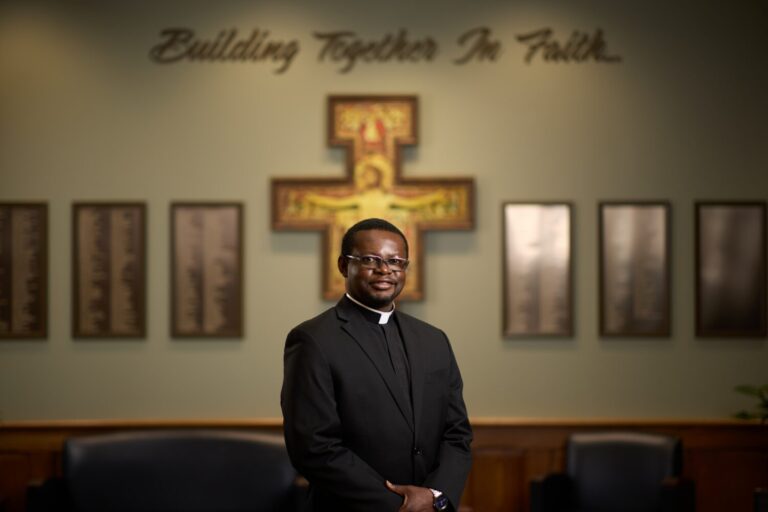
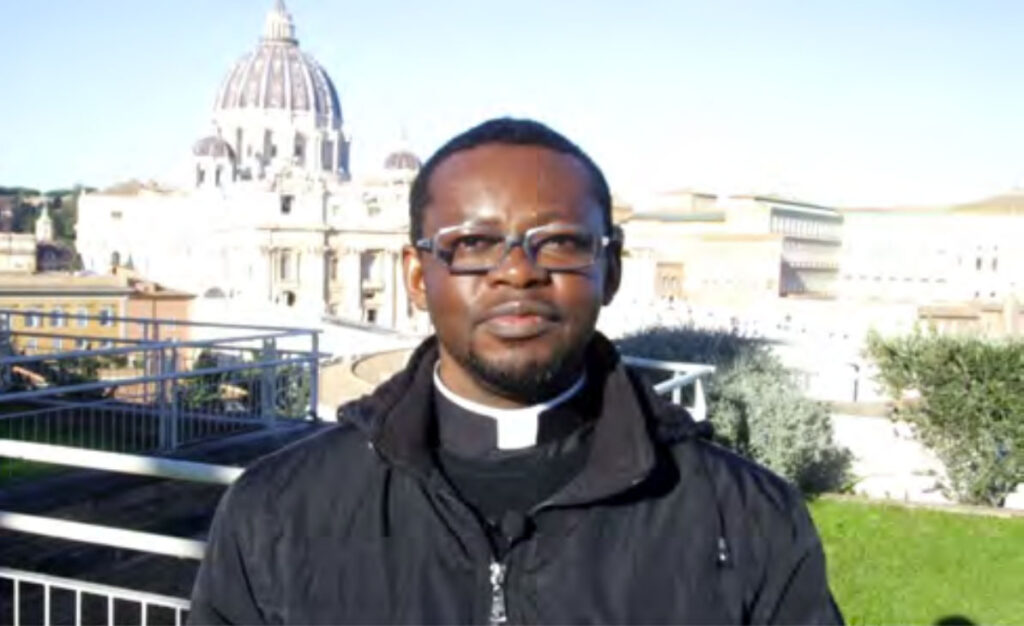
Fr. Kenneth Ahanonu